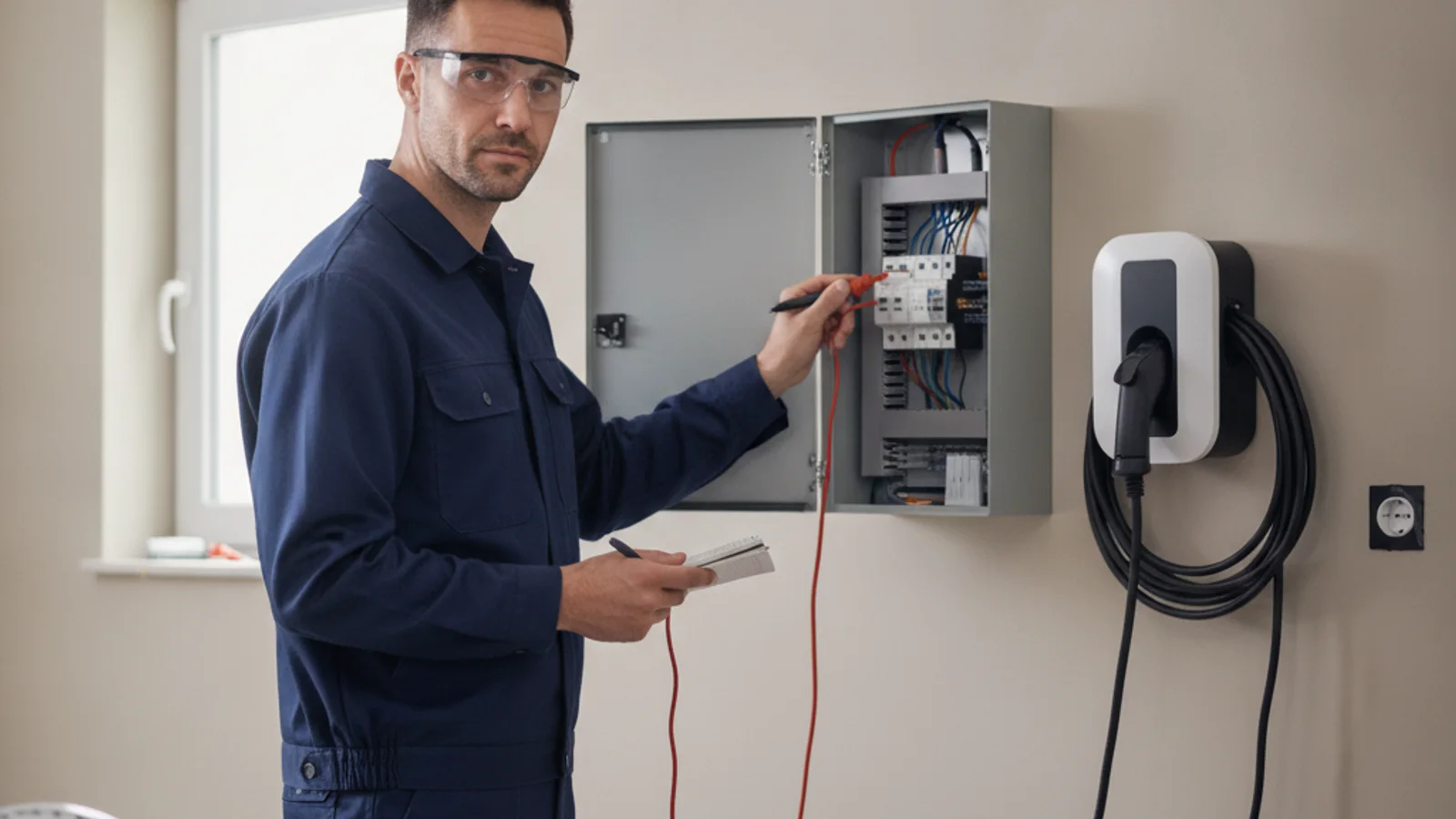
A home electrical inspection costs $150 to $350 in San Diego for a standard visit, and $300 to $600 for a comprehensive check on an older home. Most of that is the electrician’s time to open the panel, test circuits, and document what they find. The price moves with the size of the house and how much of the wiring needs a closer look.
TL;DR
- Standard home electrical inspection: $150-$350.
- Comprehensive or older-home inspection: $300-$600.
- Standalone home-buyer inspection: $200-$500.
- Infrared panel scan add-on: $100-$250.
- San Diego doesn’t require an electrical inspection to sell a house, but any permitted work gets inspected by the city or county.
- The things that usually fail: obsolete panels, knob-and-tube or aluminum wiring, and missing GFCI or AFCI protection.
What does a home electrical inspection actually check?
A home electrical inspection is a licensed electrician going through the parts of your system that carry risk and writing down what they find. It’s not a repair visit. The goal is a clear picture of what’s safe, what’s aging, and what needs attention before it becomes a problem.
A thorough inspection covers the main panel and breakers, the wiring type that can be seen, grounding and bonding, outlets and switches, GFCI and AFCI protection, and smoke and carbon monoxide detectors, within the C-10 scope the electrician is hired for. A general home inspector flags what they can see. They are not a substitute for a licensed electrician’s test equipment. On an older home the electrician also looks for Federal Pacific and Zinsco panels and aluminum branch wiring. Age and brand are screening clues. Inspect those panels. Do not diagnose them from this page. Challenger is a different line. This article does not count how often those findings appear.
How much does a home electrical inspection cost in San Diego?
The type of inspection sets the price more than anything else. A quick standard check on a newer home is at the low end. A full evaluation on a 50-year-old house, where the electrician has to identify the wiring type and test more circuits, sits at the top.
| Inspection type | Typical San Diego cost | What it covers |
|---|---|---|
| Standard home electrical inspection | $150-$350 | Panel, breakers, outlets, GFCI/AFCI, visible wiring |
| Comprehensive / older-home inspection | $300-$600 | Everything above plus wiring-type ID, grounding, and a load check |
| Standalone home-buyer inspection | $200-$500 | Focused electrical evaluation before you buy |
| Infrared / thermal panel scan (add-on) | $100-$250 | Finds hot spots in the panel and loose connections |
| Insurance or older-home safety inspection | $150-$400 | Documents wiring and panel type for the insurer |
When do you actually need one?
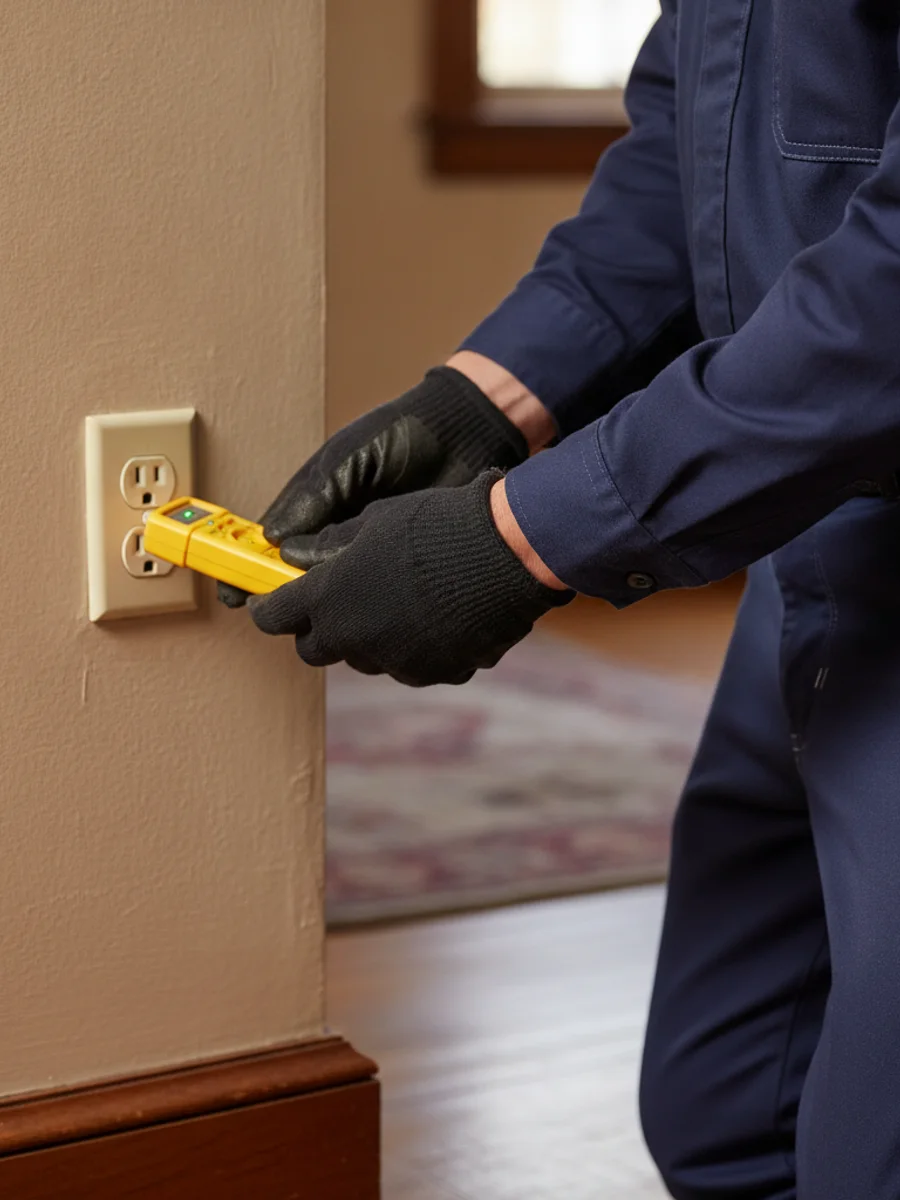
Most people don’t need a routine electrical inspection every year. You need one when something changes or when the stakes are high enough to want it in writing. There are five common triggers.
You’re buying a home, especially one built before 1980. You just bought an older home and want to know what you’re working with. Your insurer is asking about the wiring or panel before they’ll write or renew a policy. You’re planning a remodel, an addition, or a panel upgrade and want to know the current system can handle it. Or the house is showing warning signs, like flickering lights, warm outlets, or a breaker that keeps tripping, and you want a real diagnosis instead of a guess. That last case is closer to electrical troubleshooting than a routine inspection.
If the house smells like burning plastic or you see scorch marks near an outlet, that’s not an inspection. Those warning signs of an electrical fire mean leave and call 911 first if there is flame, heavy smoke, or sparks. Do not operate the main. Then use contact.
Does San Diego require an electrical inspection to sell a house?
No. There’s no law in California that forces a home electrical inspection before you sell, and San Diego doesn’t add one. What does get inspected is permitted work. Any time an electrician pulls a permit for something like a panel upgrade or a rewire, the city or county inspector signs off on that job before it’s closed out. That’s a code inspection of specific work, not a whole-home evaluation.
A buyer’s home inspection is different again. A general home inspector will flag electrical concerns, but they stop at “have this looked at by an electrician.” That’s where a dedicated electrical inspection earns its cost, because it turns a vague flag into a specific finding with a repair path.
Home inspector vs. licensed electrician: what’s the difference?
A general home inspector looks at the whole house and gives electrical a surface pass. They’ll note an old panel, a warm outlet, or a missing GFCI, but they can’t open circuits, run load tests, or tell you what a repair will cost. A licensed electrician does. They can identify the exact panel brand, confirm whether wiring is copper, aluminum, or knob-and-tube, and give you a scope and a price for the fix.
For anything involving an older San Diego home, the electrician’s inspection is the one that answers the questions that actually cost money. It’s also the one you want on record if an insurer or a buyer is asking. Before you hire anyone, it’s worth confirming their license is active on the California state license board.
What fails a home electrical inspection?
A few findings show up again and again on San Diego homes, and most of them trace back to the home’s age.
Obsolete panels are the big one. Federal Pacific, Zinsco, and older off-brand panels have breakers that can fail to trip, and most inspectors and insurers flag them on sight. Knob-and-tube and aluminum branch wiring are next, both common in homes built before the 1970s and both a concern for insurers. After that it’s the smaller stuff that adds up: no GFCI protection in kitchens and bathrooms, no AFCI protection in bedrooms, ungrounded two-prong outlets, double-tapped breakers, and a panel that’s simply too small for how the home is used now. If your panel is the problem, our guide on when to upgrade an electrical panel walks through the signs.
At Bright Pro Electric, we match you with licensed electricians across San Diego County. An inspection and a repair may be the same contractor or two visits. That is in the written scope, not a Bright Pro guarantee. Homeowners in Scripps Ranch, Poway, and the rest of the county book the same way.
Frequently asked questions
How long does a home electrical inspection take?
A standard inspection takes about one to two hours. An older or larger home can run longer, because the electrician has to identify the wiring type and test more circuits by hand.
Is a home electrical inspection worth it?
For an older home, spending $300 to $600 can find a panel or wiring condition that needs a closer look. Ask your insurer what documents they want. This page does not predict a renewal or a claim.
Do I need an electrical inspection to get home insurance?
Ask the carrier. Some ask about panel brand and wiring type on older homes. Some want a letter. Some do not. The insurance-specific inspection page is for that paperwork when the insurer requests it. Bright Pro Electric does not promise a policy outcome.
Does the inspection include a permit?
No. An inspection is an evaluation, not permitted work. If it turns up repairs that need a permit, like a panel upgrade or a rewire, that’s a separate step. Our guide on when San Diego electrical permits are required covers which jobs need one.
Can a home inspector do the electrical inspection instead?
A general home inspector can flag concerns, but they can’t test circuits, identify wiring, or price repairs. For an older home or an insurance requirement, a licensed electrician’s inspection is the one that holds up.
How much does an older-home electrical inspection cost in San Diego?
A comprehensive inspection on an older home runs $300 to $600, more than a standard visit because the wiring type has to be identified and more of the system gets tested by hand.