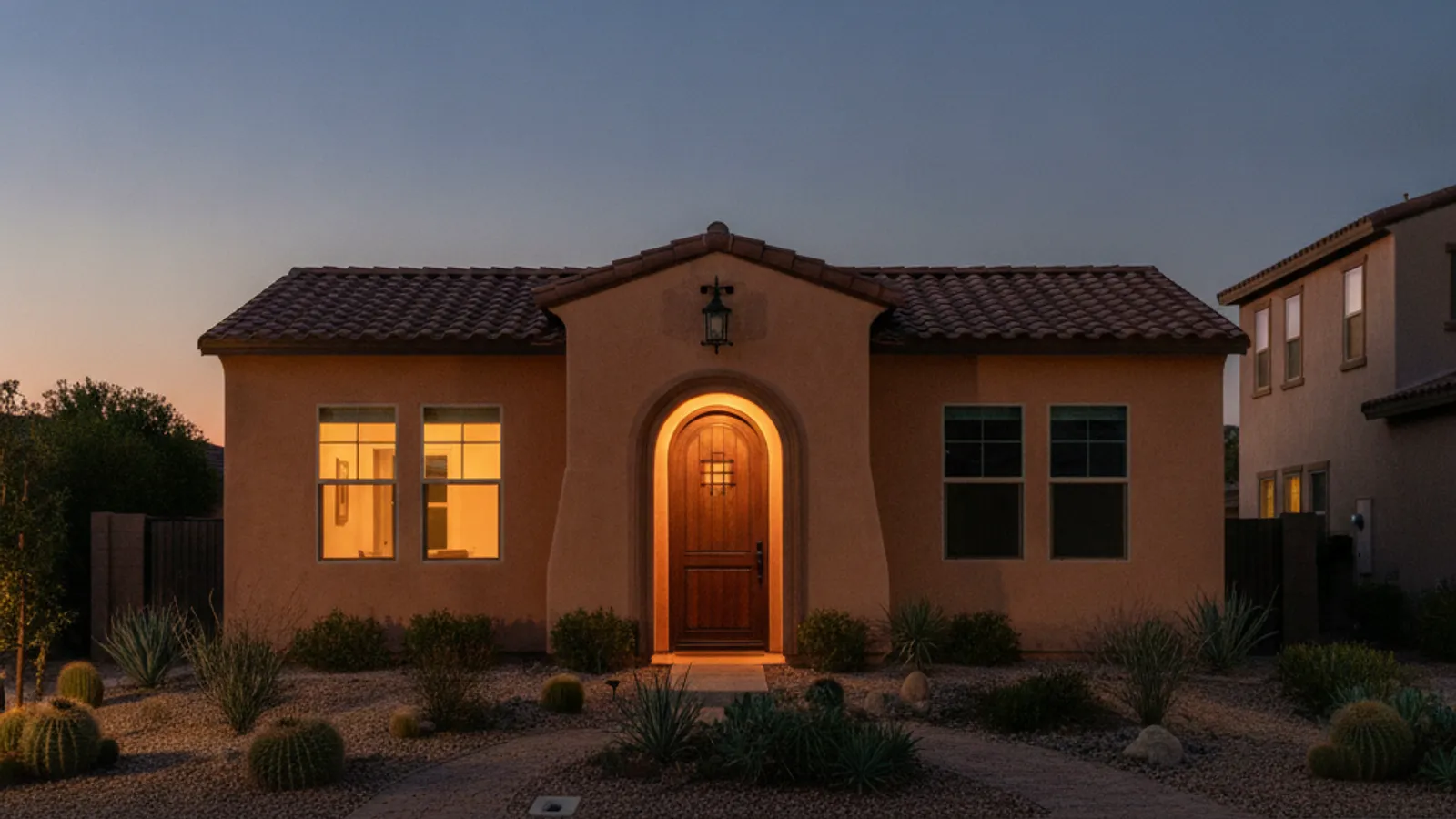
Half your house goes dark while the other half stays lit, and the neighbors across the street still have power. Do not treat that pattern as a named wiring failure. It is a safety problem until a utility crew or a licensed electrician measures it. Smoke, sparks, or fire means leave, call 911, then the phone once you are outside.
TL;DR
- If you smell burning, see sparks, or see smoke or fire: leave, call 911, then the phone from outside. Do not open the panel. Do not operate the main.
- If neighbors are also dark, use SDG&E outage tools and the power outage guide before anyone diagnoses the house.
- If neighbors have power and only part of your house is dark or dim, unplug sensitive electronics if you can do that safely. Leave the main and the panel cover alone.
- The fault can sit on the utility side of the meter or on the premises side. SDG&E owns the service drop and meter equipment. Premises wiring from the meter inward is electrician work. This page does not name which conductor failed.
- A loose connection repair often runs $185 to $425. Replacing damaged service wiring can run $800 to $2,000. A compromised panel enclosure is a different job, panel replacement at $3,000 to $8,000.
Why does half the house look dead while the rest stays lit?
A dwelling service is split-phase: two ungrounded legs and a grounded conductor back toward the meter and transformer. 240-volt appliances use both legs. Lighting and most receptacles sit on one leg or the other. A problem on one path, a tripped branch device, a utility-side issue, or a connection problem at the meter or panel can all present as “half the house.” Those are categories. This article does not name the failed conductor.
This is different from a neighborhood-wide power outage in San Diego, where neighbors go dark with you. If only your house is uneven, still start with the outage map for that address, then stop at the panel door.
Is this actually dangerous, or just annoying?
Treat it as dangerous until it is measured. Overvoltage, heat at a loose connection, and damaged appliances are possible outcomes of several faults, including some utility-side problems. This page will not name the failed path.
If you notice a burning smell, sparks, or fire with the partial outage, leave, call 911, then call from outside. Our guide on warning signs of an electrical fire and the burning smell guide are for after you are out of the house.
How do you know it’s not just one room?
Look, do not reset. A single tripped branch breaker cuts one circuit. If many rooms are dark or dim, or lights look wrong across the house, that is more than one switch on the wall. If power is missing in one room or along one wall, see outlets not working in one room. Do not operate the main to “test” the pattern.
What should you do the moment you notice it?
- Smoke, sparks, or fire: leave, 911, then the phone from outside.
- Check whether neighbors still have power. If they do not, report the address on SDG&E’s outage tools.
- Unplug computers, TVs, and similar loads if you can pull the cord safely. Do not stand in water. Do not open the panel.
- Do not operate the main. Do not keep flipping breakers.
- Use the contact page. Hours are Monday through Saturday, 7am to 7pm. After hours, leave a message. There is no staffed 24-hour desk. Matching for emergency electrical still follows those hours.
Is this SDG&E’s problem or an electrician’s?
It depends on where the defect is, and that is what a diagnostic visit sorts out. SDG&E owns and maintains everything from the transformer through the service drop to the meter itself. If the problem is on the utility’s side of the meter, SDG&E handles that repair.
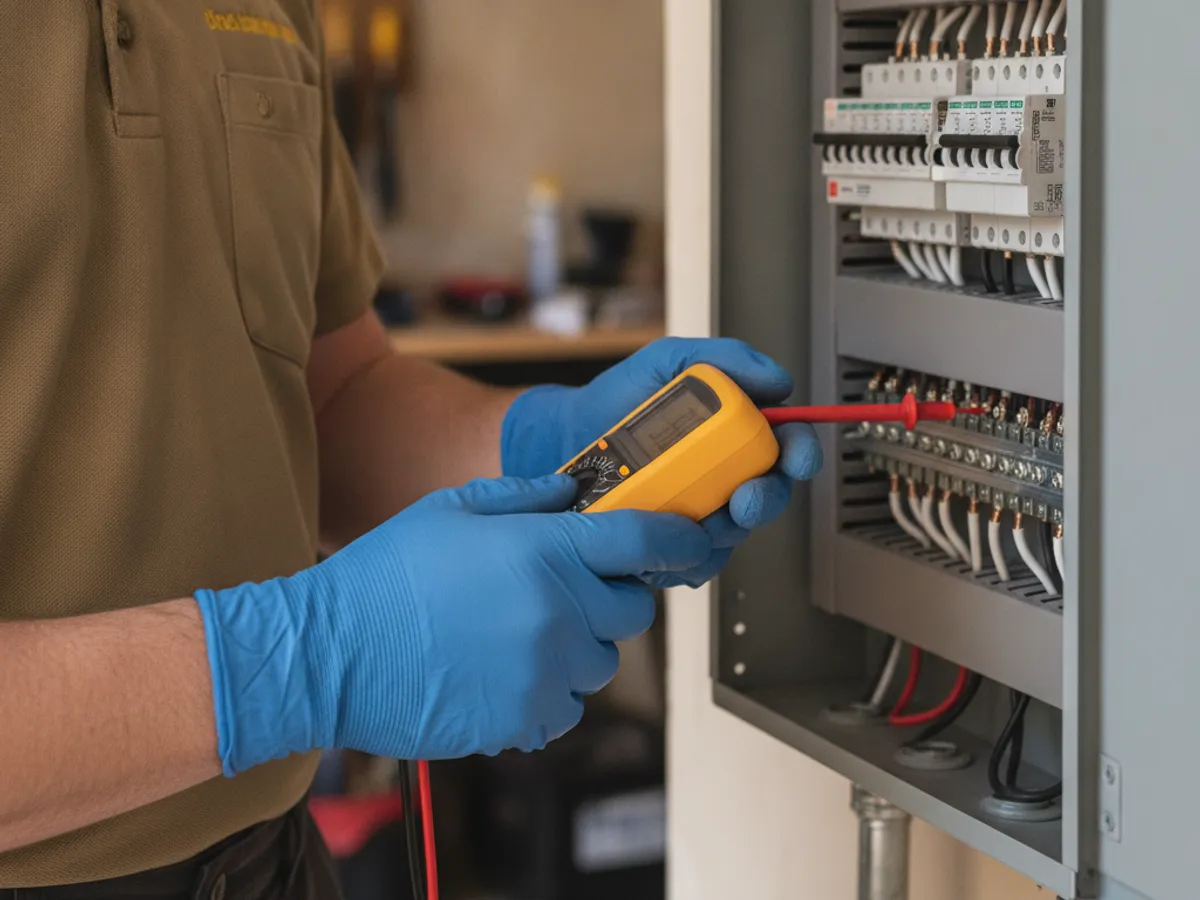
Everything from the meter base inward is the homeowner’s side and licensed electrician work. Do not decide from the sidewalk which side failed. Report a single-premise outage to SDG&E when neighbors have power and the house is dark or uneven, then get an electrician for premises-side checks. Most connection problems are found by measurement, not by this article.
What does an electrician visit cost when half the house is dark?
Most of these calls start with a standard diagnostic visit, $89 to $129, or $149 to $229 after hours. Bright Pro Electric does not credit that fee toward later work. If the problem is a loose lug or corroded connection that just needs cleaning, re-torquing, and testing, the repair itself typically runs $185 to $425, similar to fixing a tripping breaker caused by a loose connection.
If heat damage has reached service equipment or entrance conductors, the job gets bigger. Replacing damaged service wiring can run $800 to $2,000 depending on access and conduit length. If the panel enclosure or bus is compromised, panel replacement runs $3,000 to $8,000 in San Diego County. The electrician should show you the damage before recommending anything past a simple repair.
Frequently asked questions
Why do some outlets work and others don’t, with no tripped breaker?
That pattern has several categories: a utility-side problem, a premises connection at the meter or panel, or branch-circuit issues that are easy to miss from the doorway. A licensed electrician or SDG&E, depending on which side of the meter fails, has to measure it. This article does not name the failed conductor.
Can a partial-house outage damage my appliances?
It can, if voltage is out of spec on some circuits. Unplugging sensitive electronics if you can do that safely is the fastest way to limit exposure. Leave the panel closed.
Is it safe to just wait until morning to call someone?
If there is smoke, sparks, or fire, leave and call 911 now. If the house is merely uneven, still treat it as urgent, unplug sensitive loads if safe, and call. Bright Pro Electric hours are Monday through Saturday, 7am to 7pm. After hours, leave a message.
How is this different from a regular power outage in San Diego?
A neighborhood-wide outage takes down your neighbors too. A single-premise pattern still starts with the SDG&E outage map, then premises diagnosis if the utility says the service is good.
Will SDG&E fix this for free?
Only if the fault is on their side of the meter. Premises-side repairs are the homeowner’s cost and an electrician’s job.
Do I need a permit to fix a connection at the panel or service?
A simple loose-connection repair inside an existing panel often does not require a permit. Replacing damaged service entrance conductors or panel equipment generally does, and SDG&E has to coordinate a meter pull when that equipment is involved. The electrician handles that process as part of the job.
How to get matched
A partial power outage is not something to trace on your own. Bright Pro Electric matches San Diego County homeowners with licensed electricians who can tell you whether the next call is SDG&E or premises work. Hours are Monday through Saturday, 7am to 7pm. After hours, leave a message. Use the contact page.